
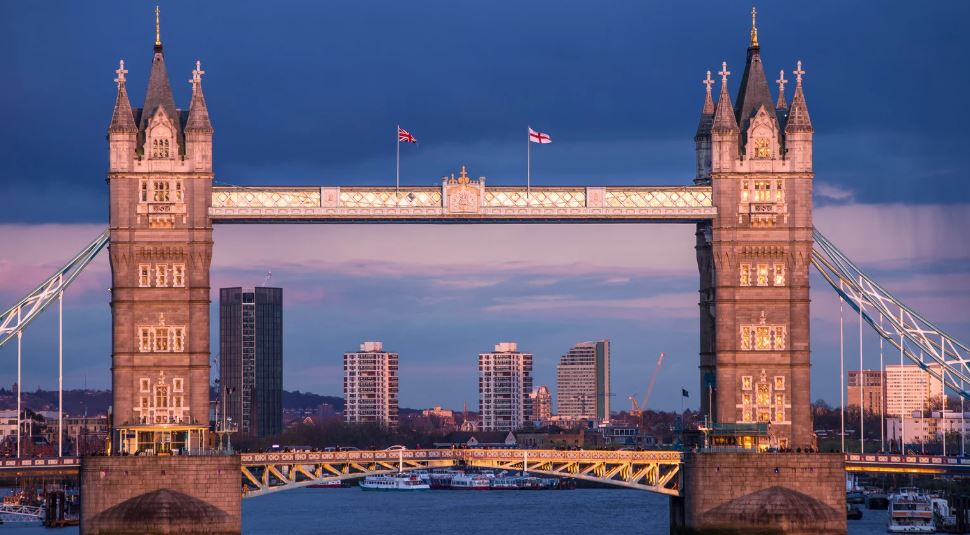
London has always been a city in motion, a vibrant blend of heritage and modernity. Over the decades, it has evolved into one of the most multicultural and socially dynamic capitals in the world.
From technology and sustainability to art and community values, London continues to adapt to global shifts while maintaining its unique character.
In recent years, rapid social change, digital innovation, and environmental awareness have reshaped how Londoners live, work, and connect.
How Is London Adapting to Changing Social and Cultural Trends?
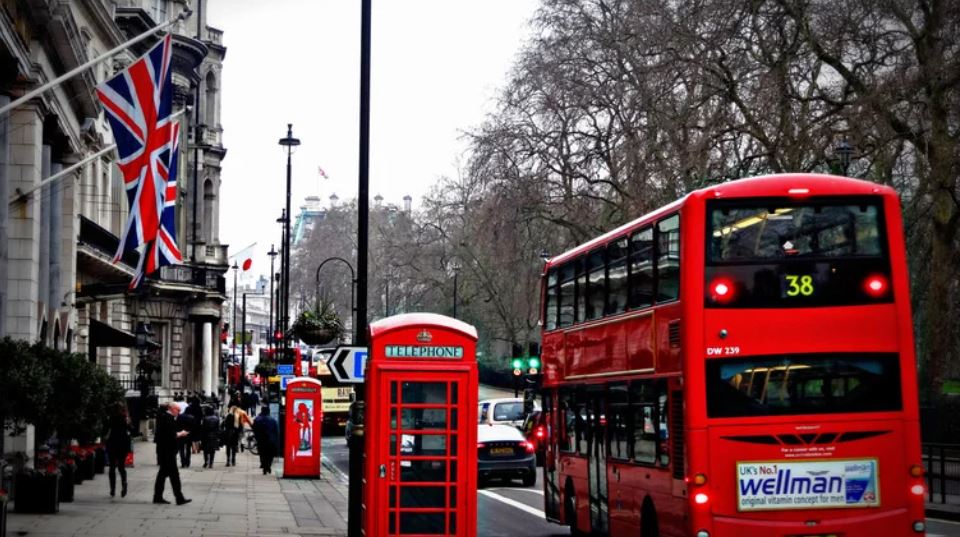
At its core, London thrives on reinvention. The city has weathered economic shifts, political changes, and social revolutions, all while retaining a spirit of resilience.
Today, new social and cultural trends are transforming how people interact and express themselves. The rise of inclusive events, gender-neutral spaces, and cross-cultural collaborations reflects a London that values diversity and openness.
Neighbourhoods like Shoreditch, Peckham, and Hackney have become symbols of this evolution, where street art meets sustainable business and creativity flourishes beside tradition. London’s adaptability lies in its people, forward-thinking, diverse, and unafraid of change.
What Role Does Diversity Play in London’s Cultural Transformation?
London’s diversity is its defining strength. With residents speaking more than 300 languages and representing nearly every nation, the city is a true global mosaic. ‘
Immigration and cultural exchange have enriched every corner of London, from cuisine and fashion to festivals and media.
Areas such as Brick Lane, Southall, and Brixton showcase this beautifully, blending global traditions with British values. Cultural events like Notting Hill Carnival and Diwali on Trafalgar Square celebrate inclusion and unity.
This multiculturalism not only drives tourism but also fosters social harmony and innovation, making London a living example of coexistence in a modern world.
How Is Technology Shaping London’s Social Spaces and Communities?
The digital revolution has transformed how Londoners experience their city. Technology now connects people, businesses, and public services in unprecedented ways. Smart city projects, digital art exhibitions, and virtual community groups are redefining urban engagement.
Remote work has changed the rhythm of the city, turning cafés and co-working hubs into social meeting points. Meanwhile, platforms that promote local initiatives and neighbourhood collaborations have helped strengthen civic bonds.
Even public spaces like the London Underground are becoming part of this digital network, with Wi-Fi, apps, and interactive services making daily life more connected.
This digital shift, however, is balanced with a growing desire for authentic, offline experiences, reminding Londoners that community spirit thrives both online and in real life.
In What Ways Are Sustainability and Green Living Redefining Urban Culture?
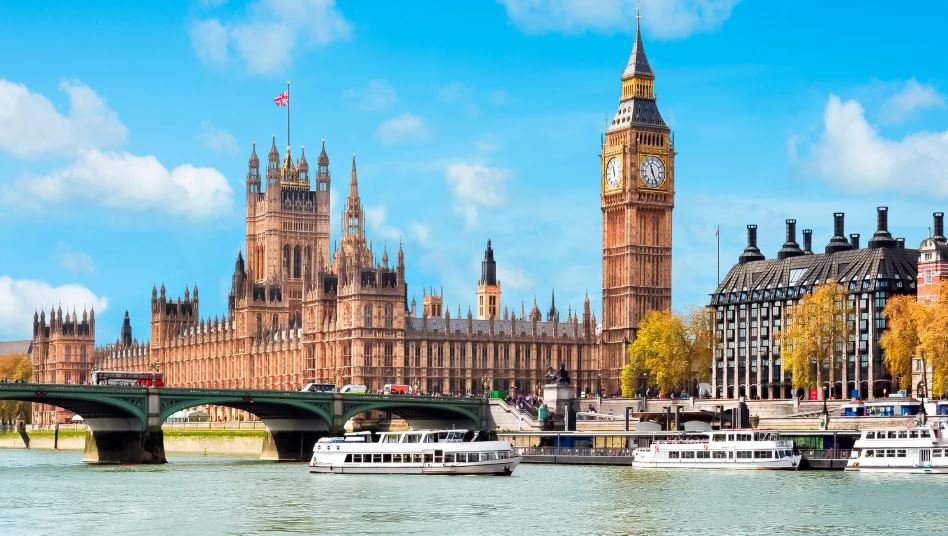
Environmental awareness is now a central part of London’s identity. From electric buses to pedestrian-friendly zones, the capital is rethinking how it functions. The city’s commitment to becoming net-zero by 2030 has encouraged residents and businesses alike to embrace sustainable lifestyles.
Farmers’ markets, refill stores, and plant-based dining have gained immense popularity, reflecting a cultural shift towards mindful living. Public projects such as the London Cycle Hire Scheme and new green corridors are helping to reshape urban mobility.
This sustainable momentum is not just about infrastructure, it’s a social movement. Communities across London are uniting for cleaner air, better recycling, and greener public spaces, reinforcing the city’s reputation as a global leader in climate-conscious living.
How Are the Arts, Entertainment, and Nightlife Evolving with Modern Audiences?
London’s cultural pulse beats through its art, theatre, and nightlife. Yet, even these long-standing traditions are evolving to meet contemporary expectations.
Theatres like the National and Almeida now showcase diverse voices, while galleries such as Tate Modern host interactive and socially aware exhibitions.
The nightlife scene has become more inclusive, with spaces celebrating different identities and cultures. Live music venues are reviving local talent, while pop-up cinemas and immersive events cater to younger audiences.
Even heritage institutions are embracing change by merging history with innovation, ensuring that London’s cultural identity remains both authentic and progressive.
What Does the Future Hold for London’s Social Identity?
As social and cultural landscapes continue to evolve, London stands at the forefront of innovation and inclusivity. The city’s ability to adapt ensures that its traditions coexist harmoniously with new global influences.
From urban design to digital inclusion, London is shaping a future that balances creativity, compassion, and sustainability.
According to London Local News, this transformation is not just visible in policy or infrastructure, it’s seen in everyday interactions, community projects, and the shared spirit of progress among its residents.
The city’s strength lies in its openness to evolve while remaining rooted in its identity, a balance few capitals achieve so gracefully.
Conclusion
London’s evolution is a story of constant adaptation. Every decade brings new challenges and opportunities, but the city’s inclusive spirit ensures that progress is never at the expense of its cultural soul.
As it embraces sustainability, technology, and social diversity, London continues to set an example for the world, proving that tradition and transformation can thrive side by side.
In every mural, market, and meeting place, you can see a London that listens, learns, and leads, a city that truly mirrors the changing world around it.



More Stories
Why Are Sunday Courier Services Becoming Important for UK Businesses?
What Is Causing Commercial Property Changes Across London?
Why Are So Many UK Startups Failing Within Their First Three Years?