
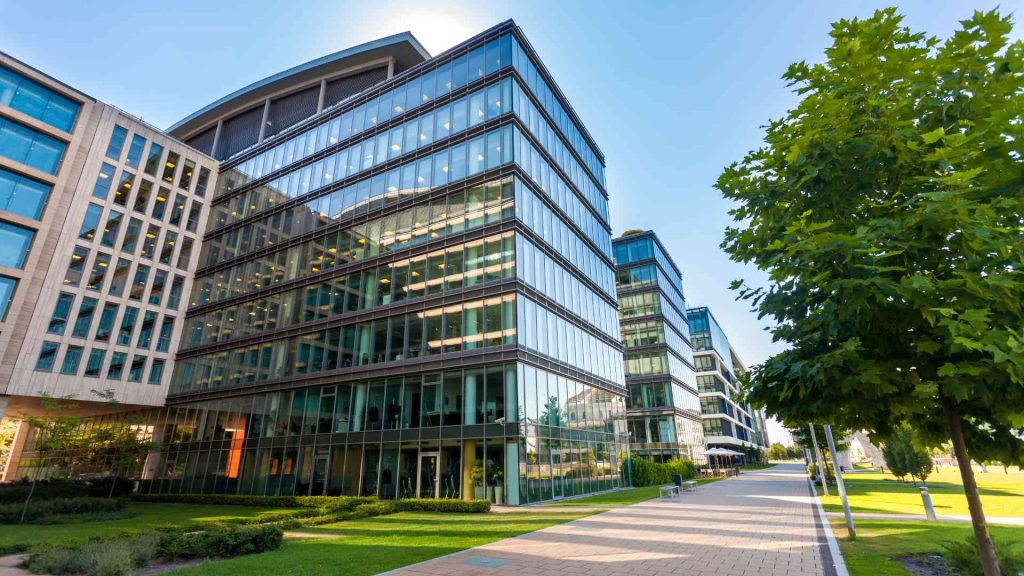
London’s commercial property market is undergoing a major reset. The city’s office districts, retail hubs, industrial estates, and mixed-use developments are all evolving under pressure from changing work habits, technology investment, sustainability rules, consumer behaviour, and economic caution. Recent reporting shows a clear split between high-quality, modern office space and older secondary stock, while AI firms and tech occupiers are creating fresh demand in select districts.
For investors, landlords, and business owners, the commercial property conversation is no longer simply about location—it is about adaptability.
A Snapshot of London’s Commercial Property Shift
| Factor Driving Change | Impact on London Commercial Property |
|---|---|
| Hybrid working | Reduced demand for outdated offices |
| AI and tech expansion | Higher demand for premium office space |
| Sustainability regulations | Pressure to upgrade inefficient buildings |
| Retail transformation | Repurposing of older retail spaces |
| Higher financing costs | Slower speculative development |
| Logistics growth | Rising industrial property demand |
| Planning and regulatory friction | Delayed redevelopment projects |
Hybrid Working Continues to Reshape Office Demand

The biggest structural shift in London’s commercial property market remains workplace transformation.
The pandemic permanently changed how businesses think about office space. While many firms have increased office attendance expectations, they are no longer willing to lease outdated, inefficient buildings simply because they are centrally located.
Instead, occupiers increasingly prefer:
- Flexible floorplates
- Energy-efficient offices
- Premium amenities
- Strong transport connectivity
- Collaborative workspace layouts
This has created what many analysts describe as a “two-speed office market.”
Prime office buildings in locations such as the City, King’s Cross, and the West End continue attracting demand, while ageing secondary stock struggles.
Reuters recently reported that demand for premium Central London offices has strengthened, partly driven by artificial intelligence companies expanding rapidly in the capital.
In simple terms: businesses still want offices but only the right kind.
AI and Tech Firms Are Changing Occupier Demand
A newer force behind London’s property transformation is technology-led expansion.
Artificial intelligence businesses, cloud firms, and digital service providers are leasing larger, better-equipped offices with strong infrastructure requirements.
These occupiers often need:
High Power Capacity
AI infrastructure consumes significant energy.
Buildings that cannot support future power demands may become commercially obsolete faster than expected.
Advanced Connectivity
Modern occupiers prioritise:
- Fibre infrastructure
- Data resilience
- Smart building systems
- Flexible fit-out capability
Premium Employer Appeal
Office design now plays a recruitment role.
A visually strong, amenity-rich office helps attract skilled talent.
As a result, certain London submarkets are outperforming.
This trend is one reason why prime offices remain resilient despite broader uncertainty.
Sustainability Rules Are Creating a Property Divide
Environmental performance is no longer optional.
Commercial landlords across London face mounting pressure to improve inefficient buildings.
This includes:
- Better EPC ratings
- Lower carbon emissions
- Greener building systems
- Reduced energy consumption
- Compliance with tightening regulatory expectations
Older buildings often require expensive retrofitting.
For some landlords, refurbishment is commercially viable.
For others, redevelopment or asset disposal becomes the more realistic option.
This is fundamentally changing London’s office inventory.
A building that was acceptable ten years ago may now struggle to attract serious tenants.
Retail Property Is Being Reimagined
Retail property across London has experienced dramatic change.
The traditional high-street model has weakened in many areas due to:
- E-commerce growth
- Consumer spending caution
- Changing footfall patterns
- Higher operating costs
However, this does not mean retail is disappearing.
Instead, it is evolving.
Older department store footprints are being repurposed into:
- Mixed-use developments
- Smaller retail units
- Leisure concepts
- Food-led destinations
- Flexible experiential spaces
The luxury retail market has also shifted, with businesses reconsidering premium locations based on cost efficiency and customer mix.
London retail is becoming less about volume shopping and more about destination-led experience.
Financing Costs Are Limiting Aggressive Development
Property development economics have changed.
Higher borrowing costs have reduced appetite for speculative commercial development.
Developers now face tougher calculations around:
- Construction costs
- Debt servicing
- Yield expectations
- Exit valuations
- Investor appetite
This means fewer marginal schemes proceed.
Projects need stronger fundamentals to secure backing.
Secondary commercial assets are particularly exposed because refurbishment costs may not justify achievable rents.
This caution is slowing parts of London’s redevelopment pipeline.
Planning Delays and Regulatory Complexity
Development friction remains a significant issue.
Commercial property stakeholders increasingly point to:
- Slow planning approvals
- Building safety obligations
- Infrastructure levies
- Section 106 negotiation complexity
- Heritage restrictions in key boroughs
Even strong commercial ideas can stall due to regulatory hurdles.
This slows regeneration and reduces investor confidence in certain asset classes.
Where speed matters, uncertainty becomes costly.
Industrial and Logistics Space Keeps Growing
Not every commercial segment faces difficulty.
Industrial and logistics property remains structurally strong.
This is driven by:
- E-commerce fulfilment demand
- Urban delivery requirements
- Supply chain restructuring
- Limited available land
London’s geography makes logistics particularly valuable.
Businesses increasingly want proximity to dense consumer markets.
That supports warehouse demand in strategic outer London locations.
While office headlines dominate discussion, logistics remains one of the capital’s strongest commercial sectors.
Investor Behaviour Has Become More Selective
Capital still exists—but it is more cautious.
Investors are no longer making broad bets across commercial property.
Instead, they focus on:
Income Reliability
Stable tenants remain highly attractive.
Asset Quality
Older weak-performing assets face deeper scrutiny.
Repositioning Potential
Can the property be upgraded successfully?
Sector Resilience
Logistics and prime offices currently look safer than secondary retail.
This selective approach explains why some assets attract competition while others struggle.
Mid-Market Businesses Are Reconsidering Space Strategy
Occupier behaviour has changed too.
Many SMEs now ask:
- Do we need a permanent office?
- Should we downsize?
- Is flexible workspace cheaper?
- Can mixed-use space improve efficiency?
This shift affects demand patterns across London boroughs.
Businesses are prioritising operational flexibility over prestige.
Interestingly, business commentary from UK Business Times increasingly reflects how SMEs are adapting to this new cost-conscious operating environment.
What Happens Next for London Commercial Property?
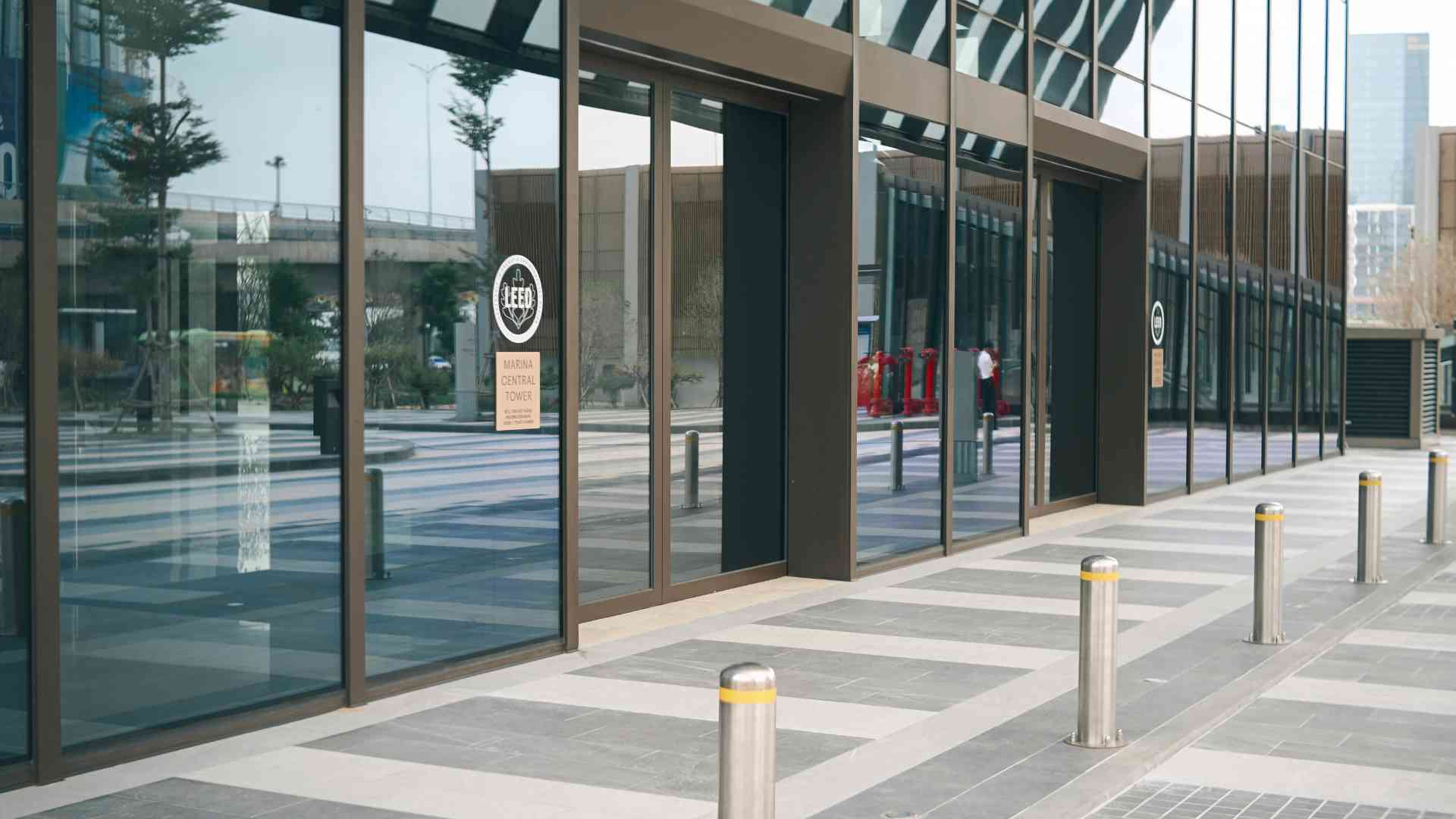
London is unlikely to return to its previous commercial property model.
Instead, the market appears headed toward a more segmented future:
Winning assets:
- Grade A offices
- ESG-compliant buildings
- Logistics hubs
- Destination retail
- Flexible mixed-use developments
Under pressure:
- Outdated offices
- Weak secondary retail
- Inefficient buildings
- Assets needing expensive upgrades
The central question is no longer whether commercial property is changing.
It clearly is.
The real question is which assets can evolve fast enough to stay relevant.
Final Thoughts
Commercial property changes across London are being driven by a combination of economic pressure, technological expansion, workplace evolution, sustainability requirements, and investor caution.
This is not a temporary adjustment.
It is a structural redefinition of how London’s business property ecosystem works.
For owners, investors, and occupiers, adaptability will determine success far more than postcode alone.



More Stories
Why Are Sunday Courier Services Becoming Important for UK Businesses?
Why Are So Many UK Startups Failing Within Their First Three Years?
How Do Bonuses Influence Customer Loyalty in Casino?