
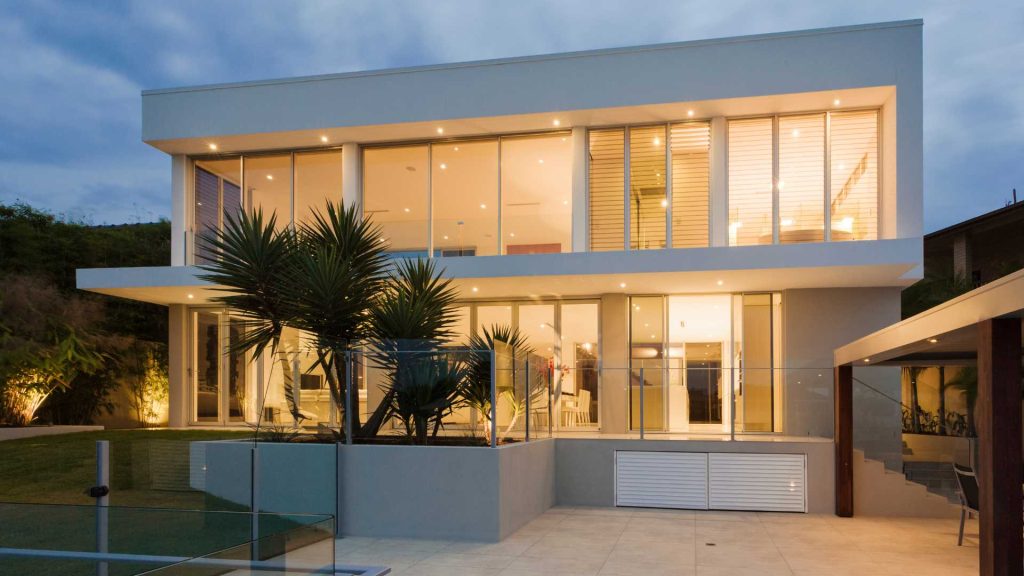
In a world where environmental awareness is more important than ever, energy efficiency has transformed from a “nice-to-have” feature into a foundational requirement for top-tier home builds.
Modern energy-efficient homes not only reduce utility bills but also significantly lower carbon footprints and enhance long-term comfort and resale value. Here’s what distinguishes these homes and why they matter for today’s homeowners.
What Makes Modern Homes Truly Energy-Efficient?
1. High-Performance Insulation
The secret to an energy-smart home starts with insulation. Premium builds use advanced insulating materials such as spray foam, rigid foam board, or high-R-value fiberglass to create an airtight envelope.
By sealing cracks, gaps, and thermal bridges, these materials dramatically reduce heat loss in winter and heat gain in summer. The result? A stable internal climate requiring far less heating or cooling energy.
2. Cutting-Edge Windows and Doors
Even the best-insulated walls can fail if windows and doors are weak links. Top home builds feature triple-pane or double-pane Low-E glass windows, often with inert gas fills like argon or krypton to boost thermal resistance.
These systems reduce heat transfer and block harmful UV rays. Coupled with properly sealed and insulated doors, they form a tight barrier against drafts, making homes more comfortable year-round.
3. Air-Sealing and Ventilation Systems
A tightly sealed home minimizes uncontrolled air leaks but airtightness without fresh-air control leads to poor indoor air quality. That’s why modern, efficient homes include mechanical ventilation systems like Heat Recovery Ventilation (HRVs) or Energy Recovery Ventilators (ERVs).
These systems exchange stale indoor air with fresh outside air, capturing up to 80–90% of the outgoing air’s heat or cooling, maintaining both comfort and efficiency.
4. Renewable Energy Integration
Leading builders increasingly integrate renewable energy sources such as rooftop solar panels, solar water heating systems, or small-scale wind turbines. These technologies allow homeowners to produce their own electricity, reducing dependence on grid power.
Combined with battery storage, this setup creates an eco-friendly and resilient energy ecosystem, helping one generate, store, and more intelligently consume power.
5. Smart Home and Energy Monitoring
Top-rated builds now come equipped with home energy management systems, where smart thermostats, sensors, and apps track usage patterns. These tools can reduce wastage by detecting when systems run unnecessarily and adjusting settings accordingly.
For instance, thermostats learn a homeowner’s schedule, ensuring heating or cooling isn’t running when the house is empty. The combined benefits: better comfort, more control, and noticeable savings.
6. Efficient HVAC and Water Systems
Gone are the days of inefficient heating and cooling systems. Modern homes feature high SEER-rated HVAC units, ground-source or air-source heat pumps, and zoned heating that direct warmth only to occupied areas.
On the water side, on-demand hot water systems and low-flow fixtures cut waste dramatically. These upgrades reduce energy and water usage, offering sustainable benefits both economically and ecologically.
7. Sustainable, Eco-Friendly Materials
Energy efficiency isn’t just about appliances and systems. it starts with material choices. Many leading builders employ locally sourced or recycled materials, such as reclaimed wood, insulated concrete forms (ICFs), and fiber-cement siding.
These options not only reduce embodied carbon but often offer better thermal or moisture resistance, further enhancing efficiency.
Why This Matters for First-Time Buyers?
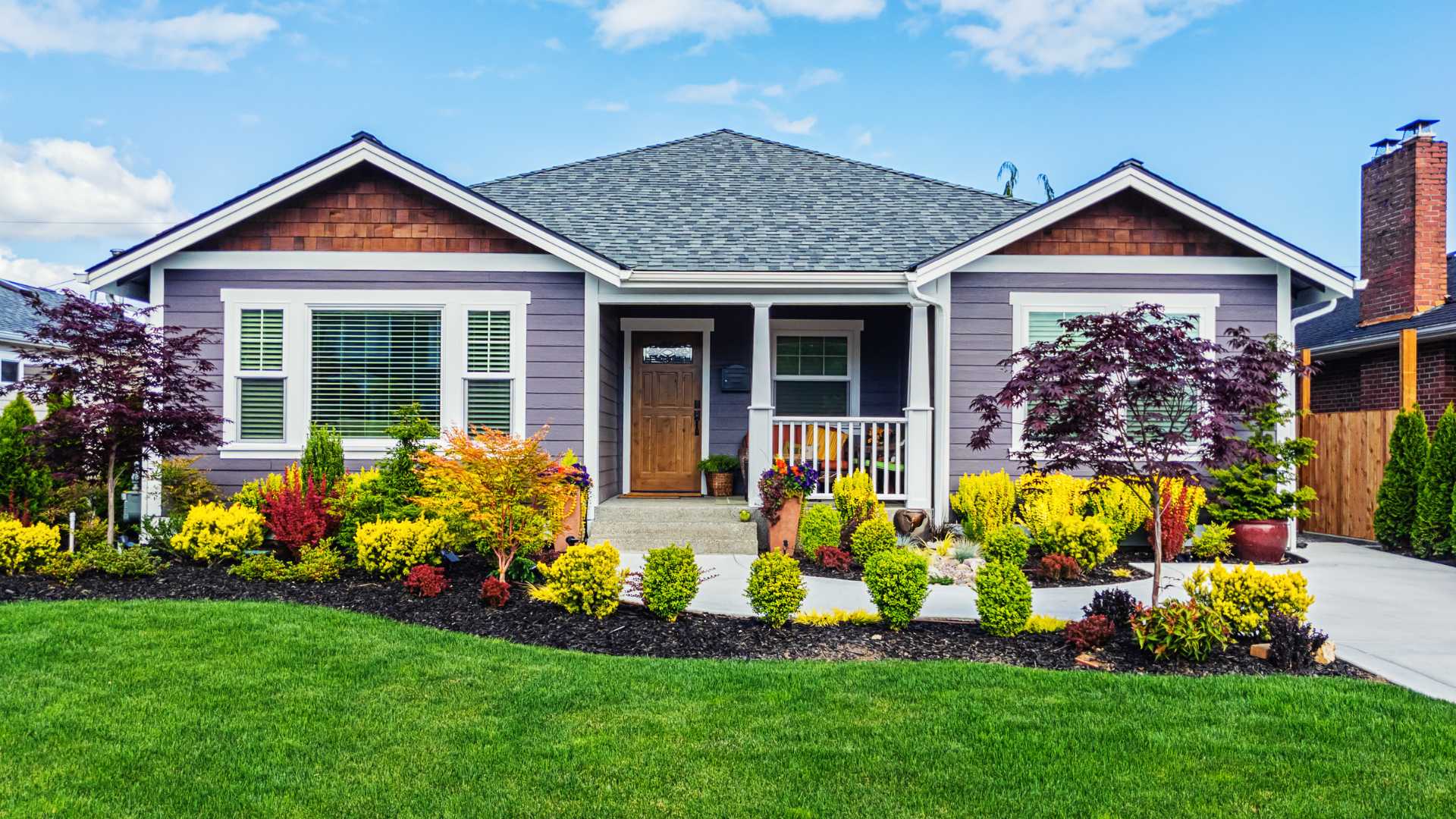
For families and individuals entering the housing market for the first time, energy efficiency is a strategic investment. While upfront costs may be slightly higher, savings on energy bills, maintenance, and potential tax incentives quickly offset it.
Energy-efficient homes also tend to hold their value better over time crucial for buyers building long-term equity. If you’re researching best home builders for affordable first homes, ensure they have a strong track record in delivering these efficiency features.
The Bigger Picture: Health and Sustainability
Energy-efficient homes go beyond saving pennies. By sealing the envelope and using filtered ventilation, they reduce pollen, dust, and indoor pollutants, supporting better respiratory health.
Reduced energy consumption means lower greenhouse gas emissions and a lighter environmental footprint benefits that resonate at both household and global levels.
Conclusion
When evaluating modern builds, energy efficiency is no longer optional. it’s essential. The top homes on the market stand out because they weave together well‑insulated shells, efficient HVAC and water systems, renewable energy, airtight construction, and smart living technology.
For buyers especially those purchasing their first home these builds translate into lower bills, healthier living environments, and stronger long-term value. Choosing a builder who emphasizes efficiency isn’t just a trend. it’s a foundational decision that pays dividends for years to come.




More Stories
How Do Rule Changes Shape the Future of Sports?
How Is London Adapting to Changing Social and Cultural Trends?
How Can You Reduce Lag for a Smoother Gaming Experience?