
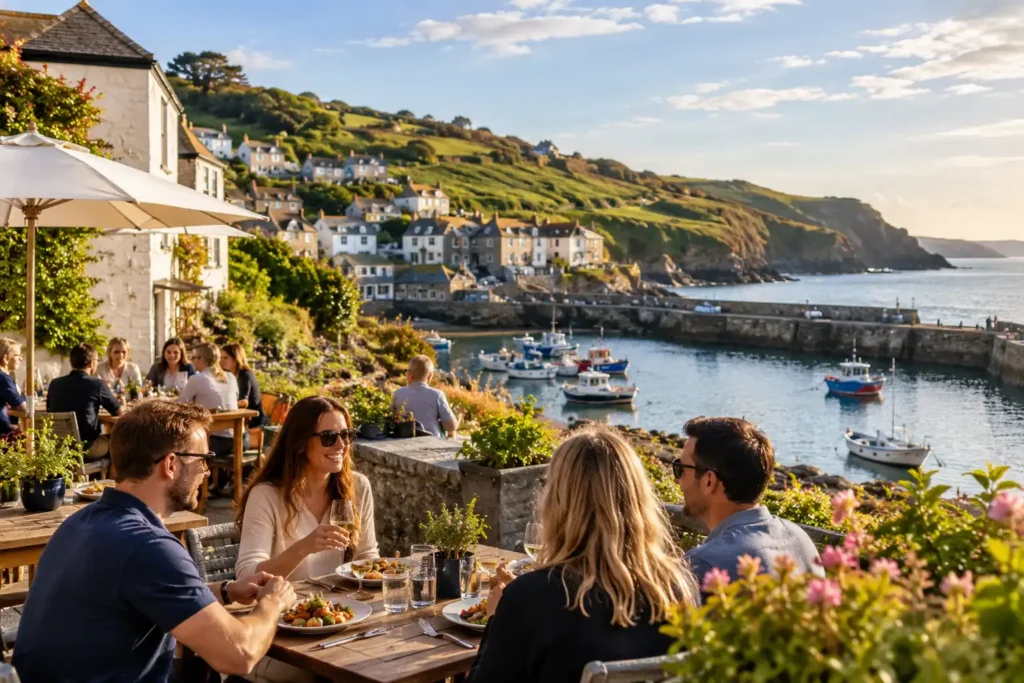
However, attracting tourists is no longer simply about offering comfortable accommodation or opening a restaurant in a popular location. Hospitality businesses must understand changing customer expectations, create distinctive experiences and build stronger connections with local communities.
Independent hotels, restaurants, cafés, holiday accommodation providers and entertainment venues are increasingly combining traditional hospitality with modern marketing strategies to reach new audiences.
The businesses that succeed are often those that give visitors compelling reasons to explore, spend locally and return throughout the year.
Why Is South West England Popular With Visitors?
The South West benefits from a combination of natural beauty, cultural heritage, outdoor activities and established tourism destinations.
Cornwall attracts travellers interested in beaches, surfing and seafood, while Devon offers coastal walking routes, family attractions and countryside retreats. Somerset is known for its historic towns, agricultural heritage, festivals and traditional food culture.
Dorset, Bristol, Bath and Gloucestershire further expand the region’s appeal through historic architecture, cultural attractions, shopping and distinctive dining experiences.
The Growing Appeal of Authentic Local Experiences
Many visitors want more than standard hotel accommodation and predictable restaurant menus. They increasingly value experiences that connect them with the destination.
A countryside guesthouse offering locally sourced breakfasts, for example, can create a more memorable stay than accommodation with no regional character.
Similarly, a restaurant highlighting seasonal produce from nearby farms gives customers an opportunity to discover local flavours.
Hospitality businesses can strengthen their appeal by celebrating regional traditions, supporting independent producers and introducing visitors to lesser-known attractions.
How Are Hospitality Businesses Improving Visitor Experiences?
Customer experience has become an important competitive advantage across the hospitality industry.
Travellers can compare accommodation, restaurants and attractions online before making decisions. Businesses therefore need to demonstrate value through both their digital presence and the quality of their service.
Creating Personalised and Memorable Stays
Independent accommodation providers can differentiate themselves through thoughtful touches such as personalised local recommendations, flexible breakfast options and partnerships with nearby attractions.
A boutique hotel might recommend walking routes suited to guests’ interests, while a family-run bed and breakfast could introduce visitors to local markets and independent cafés.
These relatively small improvements can encourage positive reviews and repeat bookings.
Combining Accommodation With Local Activities
Some businesses attract additional visitors by developing packages that combine accommodation with activities.
For example, a rural hotel could partner with a cycling provider, walking guide or local food producer to create a weekend experience.
Such partnerships allow smaller operators to offer something distinctive without investing heavily in new facilities.
They also distribute visitor spending across several local businesses, helping strengthen the regional tourism economy.
How Are Local Restaurants Helping Attract More Tourists?
Food tourism plays an important role in encouraging visitors to explore destinations beyond the region’s major coastal resorts.
Independent restaurants, traditional pubs, farm cafés and seafood establishments contribute to the character of South West England.
Visitors often plan activities around dining, particularly when travelling for weekend breaks or special occasions.
Why Smaller Towns Are Becoming Attractive Dining Destinations
Market towns such as Bridgwater offer opportunities for travellers interested in discovering local food culture without relying entirely on major tourist centres.
Visitors exploring Somerset can research restaurants in bridgwater before planning a day trip or overnight stay.
Local restaurants can benefit from this interest by providing clear menus online, highlighting regional ingredients and making reservations straightforward.
Working with accommodation providers can also increase customer referrals. A nearby hotel recommending an independent restaurant, for example, creates a convenient experience for guests while supporting another local business.
How Is Digital Marketing Helping Hospitality Businesses Grow?
Digital visibility is increasingly important because many travellers begin planning their trips through search engines, online maps and social media.
A small guesthouse with excellent service may struggle to attract visitors if potential customers cannot easily find accurate information about its rooms, facilities and location.
Improving Websites and Local Search Visibility
Hospitality businesses can improve their online presence through informative websites, updated photographs, transparent pricing and straightforward booking systems.
Search engine optimisation helps businesses appear for location-specific searches such as “boutique hotels in Devon” or “family restaurants in Somerset”.
Publishing useful local travel guides can also attract people who are still researching their destination.
For example, a hotel could publish articles about nearby walking trails, seasonal attractions and independent shops.
Using Social Media to Showcase Experiences
Instagram, Facebook and short-form video platforms allow hospitality businesses to communicate the atmosphere of their establishments.
A restaurant might share videos of chefs preparing seasonal dishes, while a holiday cottage provider could showcase surrounding countryside views.
Authentic photographs and customer experiences often communicate the appeal of a destination more effectively than generic promotional content.
What Strategies Can Help Hospitality Businesses Attract More Visitors?
Different types of hospitality businesses require different approaches, but several practical strategies can support visitor growth.
| Business type | Visitor attraction strategy | Potential benefit |
|---|---|---|
| Independent hotels | Weekend packages and local partnerships | More direct bookings |
| Restaurants | Seasonal menus and regional ingredients | Stronger food tourism appeal |
| Holiday cottages | Walking and countryside experiences | Greater off-season interest |
| Cafés | Local events and community collaborations | More passing trade |
| Traditional pubs | Live music and food evenings | Increased evening visits |
| Boutique accommodation | Personalised recommendations | Better guest satisfaction |
These are potential benefits rather than guaranteed outcomes. Businesses should evaluate booking patterns, customer feedback and marketing costs before expanding their activities.
How Are Sustainable Tourism Practices Influencing Visitor Choices?
Environmental responsibility is another consideration for hospitality operators seeking to improve their long-term appeal.
Businesses can reduce unnecessary packaging, improve energy efficiency, limit food waste and purchase ingredients from nearby suppliers where practical.
However, sustainability should involve measurable improvements rather than unsupported environmental claims.
For example, a restaurant could track food waste each month, while an accommodation provider could measure energy consumption per occupied room.
The VisitEngland Business Advice Hub provides guidance on sustainable tourism, marketing and business development.
Making Hospitality More Accessible
Accessibility can also help businesses welcome a wider range of visitors.
Clear information about step-free access, accessible bathrooms, dietary requirements and transport connections allows customers to make informed decisions.
VisitEngland’s Accessible and Inclusive Tourism Toolkit provides practical recommendations for accommodation providers, restaurants and attractions.
Why Is Year-Round Tourism Important for South West England?
Seasonal demand remains a challenge for many hospitality businesses, particularly those dependent on summer holidays.
Attracting visitors during autumn, winter and early spring can help businesses maintain more consistent revenue and staffing levels.
Restaurants could introduce seasonal tasting evenings, while accommodation providers might offer countryside walking weekends or packages connected to local cultural events.
The wider domestic tourism market provides an opportunity. VisitBritain reported that overnight trips and tourism day visits in England both increased by 5% year-on-year during the final quarter of 2025, although total spending remained broadly unchanged. These are England-wide figures, not specific to the South West.
This distinction matters because attracting additional visitors does not automatically produce higher profits. Businesses must also consider operating costs and the value of each booking.
What Does the Future Hold for South West Hospitality Businesses?
The future of hospitality in South West England will depend partly on how successfully businesses combine regional identity with changing visitor expectations.
Independent operators have opportunities to compete through personalised service, distinctive dining, local partnerships and experiences that larger businesses cannot easily replicate.
Digital marketing, accessible facilities and responsible business practices can further strengthen their appeal.
Most importantly, hospitality businesses should focus on providing genuine value rather than simply attracting higher visitor numbers.
Conclusion
Hospitality businesses across South West England can attract more visitors by celebrating local culture, improving customer experiences and making their services easier to discover online.
From independent Somerset restaurants to countryside accommodation in Devon and coastal hospitality businesses in Cornwall, regional character remains an important advantage.
Businesses that collaborate with local attractions, invest in quality service and develop year-round experiences will be better positioned to build customer loyalty and support sustainable tourism growth.
Editorial note: The App London homepage is included as a general internal link. Specific article-level internal links should be added after verifying relevant URLs on the website.


More Stories
How Are Independent Businesses Shaping London’s Local Economy in 2026?
Why Are Sunday Courier Services Becoming Important for UK Businesses?
What Is Causing Commercial Property Changes Across London?